
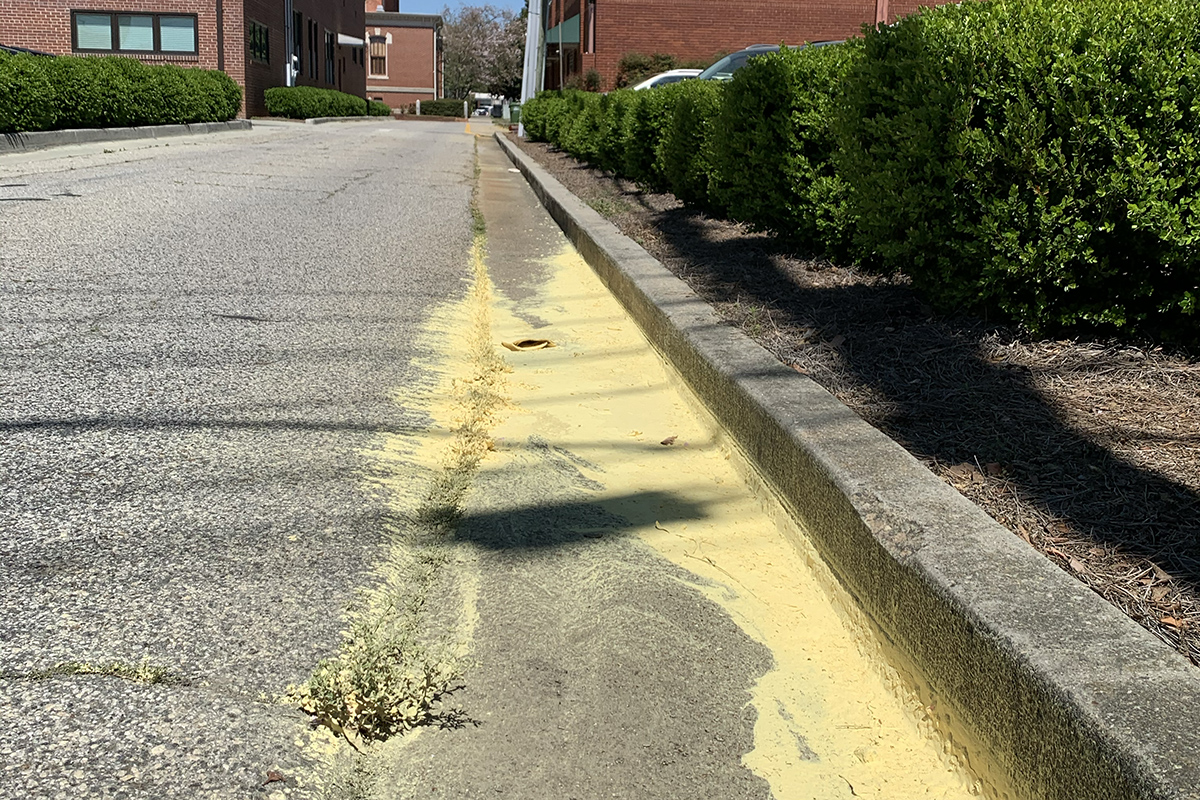
Pollen levels continue to climb in north Georgia as March roars into April, and that can mean problems for people with certain allergies.
“In this area of Georgia, there are multiple allergens that can cause problems with allergies at this time of year,” Dr. Roberto Villanueva of the Northside Hospital Diagnostic Clinic said.
“This is the pollen season and there is a substantial uptick in allergic issues at this time of year. The allergens are numerous, but the tree-related allergies are substantial with oak, pine and birch, as well as numerous other trees releasing pollen and other substances in the air at this time.”
Dr. Villanueva said grass is also a significant contributor as it begins to grow in the spring. Mold spores are another contributor, as they become more frequent in warm weather — especially if it’s been raining.
When you should seek help
Many people struggle with springtime allergies, but there are times when it’s time to seek help from a doctor. That includes when a patient experiences severe symptoms like facial pain, difficulty breathing, difficulty swallowing, fever or difficulty sleeping because of congestion and coughing.
“There are people who suffer more with all allergies compared to others,” Dr. Villanueva said. “That is for numerous reasons. The tendency towards having an allergy to a particular substance is inherent in the body’s processing of stimuli. So some people can handle it very well and hardly even notice the pollen or whatever else. But some people can have tremendous problems.”
He said that can be worsened with illnesses like asthma, sinus deformities or other medical issues that can decrease a person’s ability to process the allergens.
Dr. Villanueva said there are many treatment options available — some by prescription, some over the counter.
What isn’t an allergy
Dr. Villanueva said some people tend to call any symptom such as sniffles or congestion an allergy. “Some of that may not be an allergy per se,” he said. “Sometimes, just substances in the air irritate the upper respiratory tract and cause congestion without being a pure allergy.
“Another thing to keep in mind is that untreated allergy issues can create the environment where you can get a superimposed infection from a virus or bacteria on top of the allergic congestion.”
Dr. Villaneuva said filtration can help decrease the effect of allergies.
“This could be as simple as a filter in your HVAC unit at home or other interventions such as wearing some form of mask or respirator when you are out in the environment,” he said. He also suggested treatments for refractory allergic symptoms and said, “there are multiple new treatments available that are state-of-the-art and available by infusion or injection. These can make a substantial difference for refractory allergic symptoms “. And “even the older concept of allergy shots is still a possibility as people get older if the allergy problems cannot be controlled otherwise.
“So there is no reason to suffer.”
FIND A PROVIDER AND BOOK AN APPOINTMENT.