
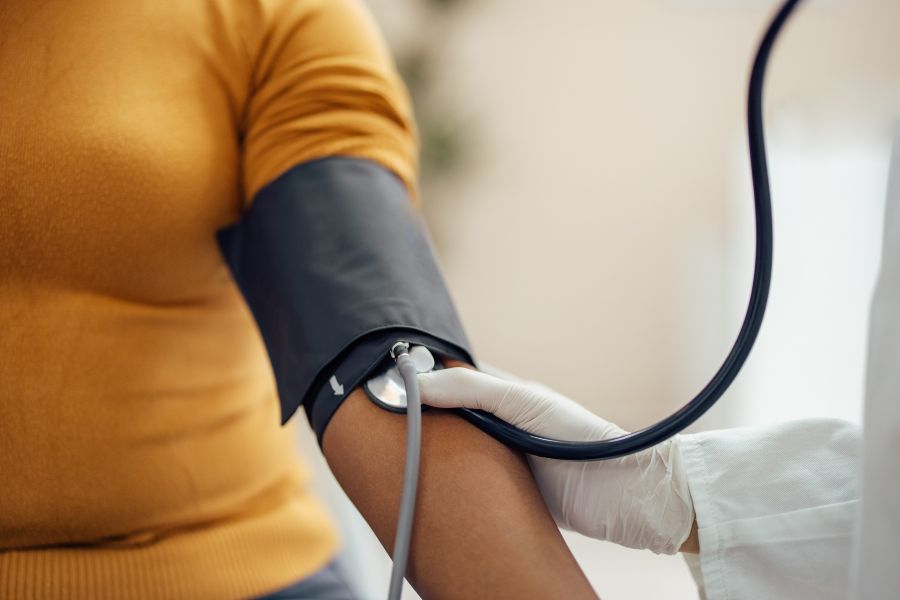
Cardiovascular disease remains the leading cause of death among women, yet hypertension and hyperlipidemia continue to produce unequal outcomes despite the use of standardized, evidence-based treatment guidelines, according to Northside Hospital Heart Institute's Dr. Courtney Bess.
Dr. Bess recently addressed the issue during the 2026 Primary Care Summit, highlighting how women often face unique biological, hormonal, and life-stage-related factors that can influence cardiovascular risk, disease progression and treatment response.
Although clinical guidelines for hypertension and hyperlipidemia are generally the same for men and women, research continues to show women are less likely to achieve optimal blood pressure and cholesterol control, even when actively receiving care.
According to Dr. Bess, sex-specific differences in vascular physiology, hormone regulation and lipid metabolism can create distinct cardiovascular risk patterns throughout a woman’s life. Pregnancy, the postpartum period and menopause are particularly important stages that may significantly alter long-term cardiovascular health.
“These dynamic shifts are not always adequately captured in traditional risk prediction models, which may underestimate long-term risk in women,” Dr. Bess noted in her presentation.
Dr. Bess also emphasized the importance of recognizing female-specific and female-predominant conditions that can elevate cardiovascular risk. These include hypertensive disorders of pregnancy such as preeclampsia and gestational hypertension, gestational diabetes, polycystic ovary syndrome, endometriosis, uterine fibroids, premature menopause and autoimmune diseases including lupus and rheumatoid arthritis.
In addition to underlying risk factors, women may experience different responses to medications due to sex-based differences in pharmacology. Certain therapies may also be limited during pregnancy and lactation, complicating treatment decisions and long-term management.
Dr. Bess said treatment variability remains another concern. Women may be less likely to receive timely guideline-directed therapies or treatment intensification needed to achieve therapeutic goals. Medication tolerance and adherence challenges may further widen the gap in outcomes.
Collectively, these factors demonstrate the need for a more individualized approach to cardiovascular care in women, while still grounding treatment in evidence-based guidelines.
Dr. Bess said improving outcomes will require earlier recognition of risk factors, enhance clinician awareness and more precise approaches to prevention and treatment. She also stressed the importance of increasing women's participation in clinical research and refining cardiovascular risk assessment models to better reflect sex-specific differences.
LEARN MORE ABOUT NORTHSIDE HOSPITAL HEART INSTITUTE.