Radiology touches nearly every part of modern medical care.
Corie Stawicki, radiology manager at Northside Hospital Cherokee, explained that “radiology is a medical specialty that helps diagnose and treat diseases and injuries.”
Imaging provides a critical window into the body, allowing clinicians “to visualize otherwise hidden anatomy” and support early diagnosis and informed treatment plans.
Radiology staff
A radiology department brings together a wide range of specialists. Technologists operate imaging equipment for X-ray, CT, MRI, ultrasound, nuclear medicine and interventional procedures.
“Their job is to acquire clear and diagnostic images to be able to then provide to the radiologist for interpretation,” Stawicki said.
Radiologists read those images, while interventional radiologists also perform minimally invasive treatments. Radiology nurses guide patients through procedures and respond to emergencies, and schedulers help manage appointments and imaging records.
Types of medical imaging
Every imaging modality provides different information.
- X-ray is the most familiar test and is often used to detect fractures or infections such as pneumonia. Fluoroscopy, she noted, is “like a live X-ray or like a movie,” useful for watching the body in motion during tests such as a barium swallow.
- CT offers cross-sectional views of the body and can be done with or without contrast. “It does show more detail than just a regular X-ray,” Stawicki said, making it essential in emergency care.
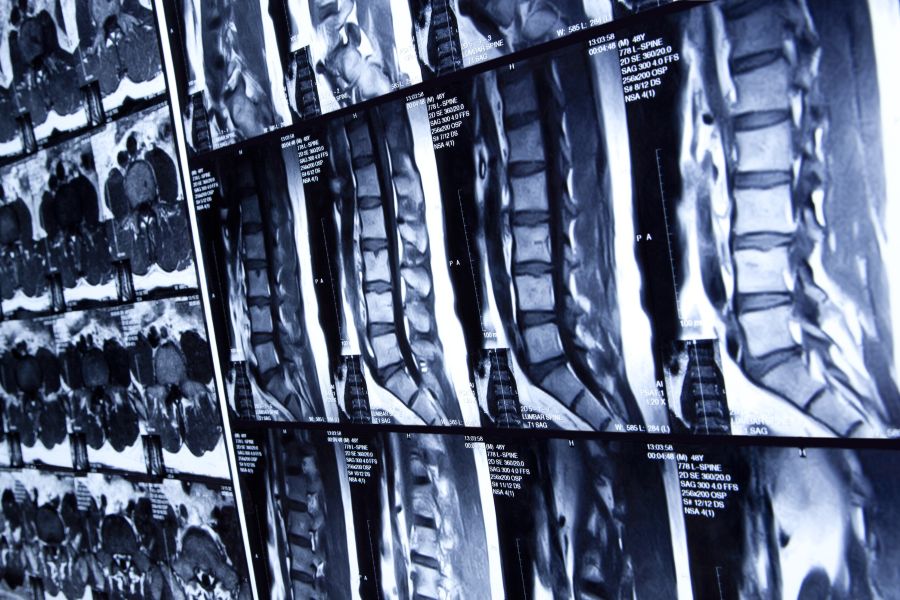
- MRI uses magnets instead of radiation. Because “the magnet is always on,” safety screening is critical, she said. MRI is commonly used to evaluate the brain and spinal cord.
- Ultrasound provides real-time imaging without radiation and is used for everything from prenatal exams to guiding fluid drainage and biopsies.
- Interventional radiology combines imaging with minimally invasive treatment. According to Stawicki, teams can “treat what they find using imaging as their guidance,” including stopping internal bleeding, removing clots or treating tumors.
- Nuclear medicine uses radiotracers to show how organs function.
- PET combines nuclear medicine with CT and is frequently used for cancer staging.
- Mammography uses low-dose X-rays for early breast cancer detection and “is the only test proven to significantly reduce the rate of death from breast cancer,” she said.
Imaging exam processes
Preparation for an imaging exam varies by test. Some require fasting, while others require premedication for contrast allergies. Upon arrival, patients usually change into a gown and remove metal to ensure safety and clear images. Technologists verify patient identity repeatedly because “we want to make sure it’s the right patient all the time,” Stawicki said.
During imaging, staff may remain in the room — such as during ultrasound — or step behind protective barriers for safety during X-ray or CT exams. Even then, “our staff are always able to see you and communicate with you,” she said.
Why does it matter?
Imaging plays an essential role in nearly every stage of care, from diagnosis to treatment to long-term monitoring. Stawicki called radiology “the eyes of medicine,” noting its ability to reveal disease early, reduce the need for invasive procedures and help track progress over time.
She emphasized that every imaging exam is a collaboration between skilled teams focused on patient safety, comfort and clarity.
Understanding what to expect — from the types of imaging available to how results are interpreted — can help patients feel more confident and prepared as they navigate their care.
LEARN MORE ABOUT RADIOLOGY SERVICES AT NORTHSIDE.
