
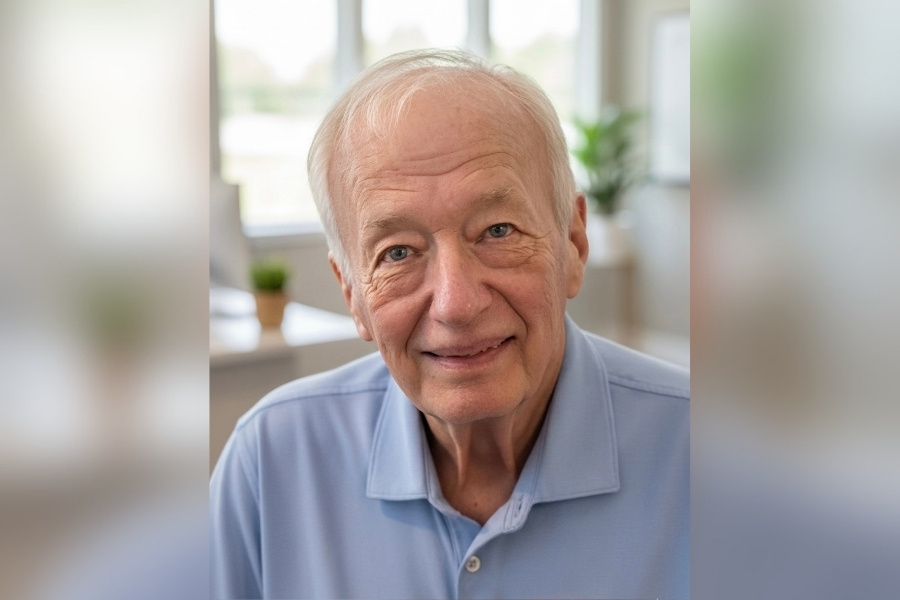
When Dennis Burnette completed prostate cancer treatment earlier this year, he expected to feel more joyful.
"I wasn't nearly as happy as I expected to be at this stage," the Canton resident said. "I thought I’d be singing in the shower every morning, but that joy felt distant."
For many cancer survivors, the end of treatment is not the end of the healing journey. While medical appointments may become less frequent, emotional recovery and rebuilding a sense of normalcy can take time, and that's where Dennis, 79, found himself.
"I was eagerly seeking a resource for my recovery, though I wasn't entirely sure what form that help would take," he said.
His search led him to his medical team, who encouraged him to attend the Northside Hospital Cancer Institute’s Survivor Retreat. Held at the Elohee Retreat Center, the program brings together cancer survivors from a variety of backgrounds and diagnoses for a weekend focused on healing, relaxation and renewal.
While he wasn't sure exactly what to expect from the retreat, he said his trust in his clinical healthcare team at Northside helped solidify his decision to attend.
"I’ve since realized that it’s difficult to describe the retreat in a brochure because the experience is so deeply personal; the impact is as unique as the individuals attending. What one person takes home may be completely different from another’s breakthrough."
Diagnosed with prostate cancer in December 2025, Dennis underwent 39 radiation treatments and androgen deprivation therapy (ADT) under the care of his urologist, Dr. Froylan Gonzalez, of Georgia Urology, and his radiologist, Dr. Peter Possert.
The radiation process went well, Dennis said, but the hormone therapy proved especially difficult.
It "caused extreme emotional shifts, including severe anxiety and irritability," he said. "I also experienced brain fog, which affected my memory and focus."
After his treatments resulted in undetectable prostate-specific antigen (PSA) levels, he and his care team decided to stop ADT early and instead continue with frequent PSA monitoring.
“We chose to prioritize my quality of life and mental health,” he said. “It was a pivotal decision for my recovery.”
Even after treatment ended, he realized recovery involved more than physical healing. Emotionally, something was still missing.
"Although I have a great support group and knew logically I wasn't alone, being with others who shared my specific experiences made a profound difference," Dennis said of the retreat. "Their insights helped me solidify my own feelings and gave me a base of confidence. It made recovery feel joyful and attainable, leading me to the realization that I have earned the title of survivor."
At the retreat, survivors participated in facilitated discussion groups, wellness activities, nature walks and Qigong, a gentle mind-body practice similar to Tai Chi.
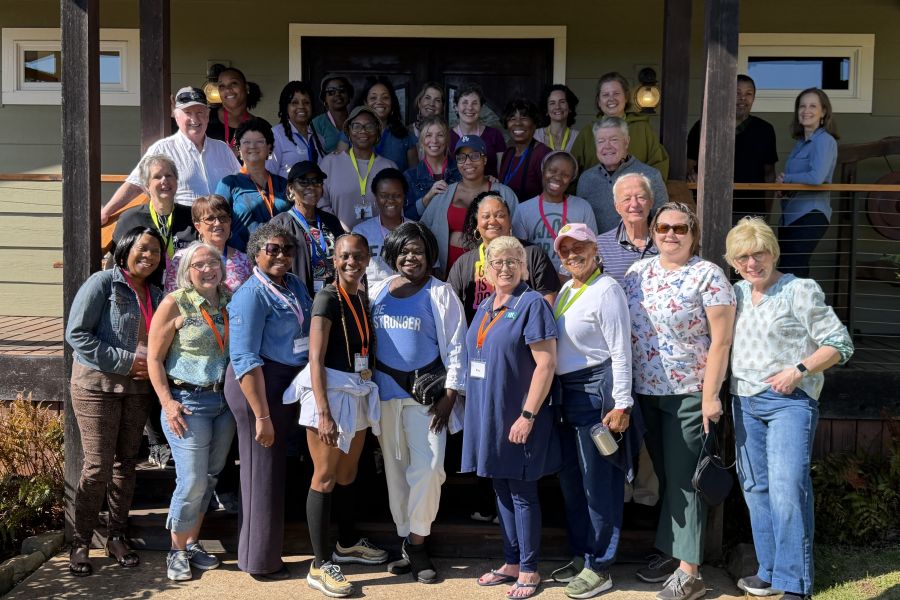
“There is something incredibly moving about meeting new friends who have traveled the same road,” he said. “We spent the weekend sharing our challenges and struggles, but more importantly, we embraced new coping skills and those unexpected silver linings that emerge during the first year post-treatment.”
One of the most meaningful experiences came during the retreat’s group discussions.
"There is a unique bond that forms when you sit in a room with 'fellow travelers,'" he said. "I felt especially connected during our facilitated discussion groups. It was impactful to realize that I didn’t have to explain the challenges or the emotional weight of recovery — everyone in the room already understood it."
By the end of the retreat, he said, the experience gave him a renewed perspective on survivorship and recovery.
“The most significant insight I brought home is the importance of community in the healing process,” he said. “I realized that while the clinical treatment may be over, the journey of renewal is just beginning.”
For survivors who may be considering a similar experience, he encourages them to take the opportunity.
“It is a rare and beautiful opportunity to escape the noise of schedules and medical appointments to focus entirely on yourself and your own healing,” he said. “You will come away with new friends and a renewed sense of purpose.”
He believes programs like the survivor retreat play an important role in helping patients transition from treatment to long-term survivorship.
“Often, when primary treatment ends, there is a feeling of ‘what now?’” he said. “Programs like this are essential because they bridge the gap between clinical care and long-term survivorship. They provide the emotional and social tools needed to transition back into daily life with a positive outlook and a supportive network.”
LEARN MORE ABOUT PROSTATE CANCER CARE AT NORTHSIDE.
*The health story shared here is for informational purposes only and is not medical advice. Patients should consult with their own physician before making medical decisions.
