
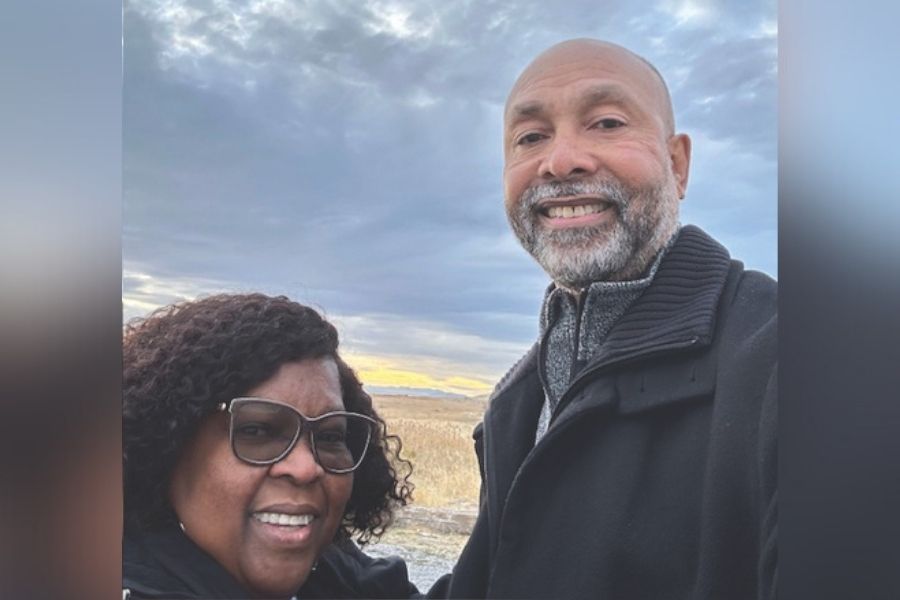
When Gladys Wakefield’s husband, Ron, was diagnosed with prostate cancer in 2022, the Roswell couple faced a life-changing journey together. Gladys, herself a kidney cancer survivor, stepped into the role of care partner with strength and grace. Here, she shares what she’s learned about supporting a loved one through cancer and how the experience reshaped her perspective on life.
Please share a little about yourself and your loved one.
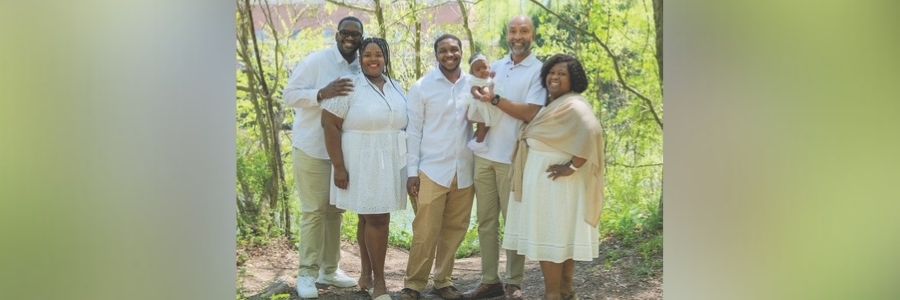
My husband, Ron, and I are originally from Jamaica, but we have lived in the United States for more than 40 years. We have two adult children: our daughter, who is married with two little girls, and our son. Ron is an executive director with the Georgia Department of Behavioral Health and Developmental Disabilities, and I am a certified public accountant working as the associate vice president of accounting and finance with an insurance company.
Ron and I were preparing to celebrate our 40th wedding anniversary with family and friends when he was diagnosed with prostate cancer. I am a survivor of kidney cancer myself, and I have lost close family to other forms of cancer.
What do you want other people to know about the role of a care partner?
One of the most important things a care partner can do is be a calming influence. A cancer diagnosis is scary and shocking, so even if you are scared yourself, it is important to manage those feelings and support your loved one. They will need to make many important decisions and might be so emotional that they can hardly hear what the doctor says.
As the care partner, you can accompany them to appointments, help them formulate questions, and take notes on the responses they receive. Additionally, you can be a sounding board as they make decisions and prepare for appointments and treatments. A care partner is also very helpful in assisting with the aftermath of treatments, whether post-surgery or another form of care. That might involve hands-on help or simply being there for them.
How has this experience changed your perspective on life?
In our relationship, Ron was considered “the healthy one.” He exercised, ate well, prioritized sleep and relationships, and had hardly been sick with more than a cold, while I, on the other hand, had experienced several health challenges. He was also vigilant with his routine doctor visits, so a cancer diagnosis was very unexpected.
It was a shocking reminder that life is short, nothing is guaranteed, and we need to make the most of every day. As people of faith, we already knew this, but now we had to live it out. Work had an outsized impact on our lives, so this experience forced us to reevaluate our priorities and lean into the things that matter most to us and our family.
Can you describe the most challenging part of your care partner experience?
The most challenging part has been managing my own feelings and opinions while allowing my husband to make his own decisions, considering my input. Ultimately, it is his body, so he needs to be the final voice on his cancer journey.
What resources or organizations have been most helpful to you throughout your journey?
The physicians at Georgia Urology and Northside Hospital have been crucial. They provided clear, unbiased information about his prognosis and treatment options and helped us feel comfortable with their ability to provide excellent care. The Northside support groups have also been very helpful, connecting us with others going through similar situations. It reminds us that we are not alone and that we can also support those who are new to this experience.
What advice would you give to someone new to the care partner role?
Be patient and positive. Healing will not happen overnight. There may be setbacks and poor outcomes, so relish the time you can spend together and focus on the positives of each day.
Learn more about support and survivorship at Northside Hospital Cancer Institute.
*The health story shared here is for informational purposes only and is not medical advice. Patients should consult with their own physician before making medical decisions.
