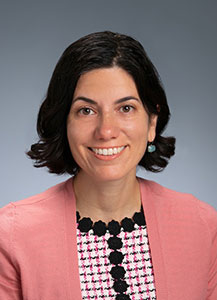
Skin cancer is one of the most common cancers, with basal cell and squamous cell being the most frequently diagnosed and melanoma being less common but more aggressive. In this video, Dr. Nicole Kounalakis, a surgical oncologist at Northside Hospital Cancer Institute, discusses skin cancer prevention, screening and treatment options.
Protecting your skin plays a major role in prevention. Sunscreen should be applied at least every two hours, along with other effective strategies like wearing UV-protective clothing, wide-brim hats and avoiding the sun during the hottest parts of the day.
Treatment often starts with surgery to remove the cancer, sometimes including lymph node sampling for more aggressive cases. When skin cancer has spread or carries a higher risk of recurrence, immunotherapy may be used to improve outcomes and help patients live longer.
Certain groups benefit most from routine skin cancer screening, including people with a personal or family history of skin cancer, those who are immunocompromised and individuals with fair skin or a history of significant sun exposure.
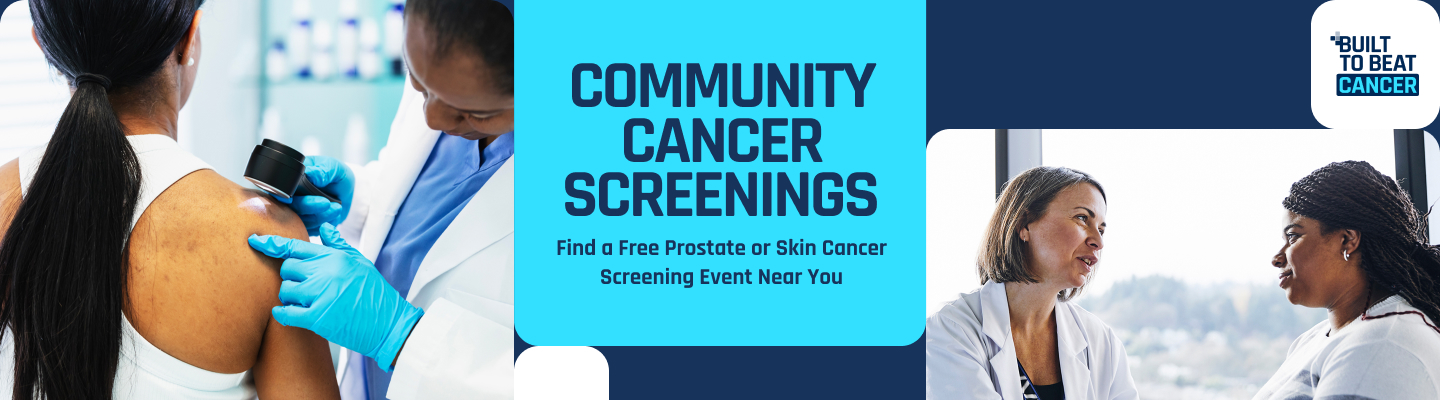
A skin cancer screening involves a full skin exam to look for abnormal or changing spots with biopsies performed if needed. Early detection is key. If you notice a concerning lesion, talk with your clinician or attend one of Northside’s skin cancer screenings where you can also learn how to check your skin at home.
LEARN MORE ABOUT SKIN CANCER CARE AT NORTHSIDE.