
A cancer diagnosis affects far more than the body. It can also bring psychological, emotional and social challenges that patients and families must navigate throughout treatment and recovery. Oncology clinical social workers play an important role in helping patients cope with those challenges, providing counseling, education and connections to resources that support the whole person during cancer care.
Psych-oncology is the interdisciplinary and specialized field that addresses these needs.
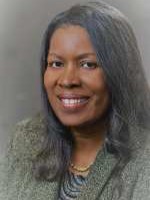
“Psych-Oncology recognizes that cancer is not solely a biomedical condition but a biopsychosocial experience that significantly affects a patient’s mental health, identity, family dynamics and quality of life,” said Christina Austin-Valere, Ph.D., LCSW, psych-oncology coordinator for Northside Hospital Cancer Institute and Behavioral Health Services.
“Our oncology clinical social workers provide comprehensive care to individuals living with cancer from the time of diagnosis through survivorship and palliative care.“
These specialists help patients manage cancer-related distress, including anxiety, depression, grief and trauma responses. They also help patients navigate the broader life challenges that can arise during treatment, such as caregiving stress, financial strain or changes in family roles.
Helping patients cope with emotional distress
Many patients experience intense emotional reactions after a cancer diagnosis. Oncology clinical social workers provide supportive therapy and short-term counseling to help patients process those feelings and develop coping strategies.
Their work often begins with helping patients recognize that their emotional responses are normal.
“Most patients benefit simply from validation of their negative emotions about their cancer diagnosis as being a normal and healthy response to such a traumatic life event,” Austin-Valere said.
“We often review the transformative effects of a cancer diagnosis on the individual’s life and the new perspectives gained. This helps patients to feel empowered going forward in their lives.”
Social workers also help patients manage uncertainty, whether they are waiting for test results, adjusting to treatment plans or coping with fears about recurrence and mortality. In counseling sessions, they assess existing coping strategies and provide education and resources to help patients develop new ones when needed.
Importantly, these conversations often extend beyond the cancer diagnosis itself.
“Our work also focuses on additional life stressors outside of cancer, such as job stress/loss, family dynamics, etc., and juggling multiple roles, along with cancer, as cancer does not occur in a vacuum,” Austin-Valere said.
Supporting caregivers and families
Cancer affects not only the patient but also the people who care for them. Oncology clinical social workers help caregivers and family members manage the emotional and practical challenges that can arise while supporting a loved one.
Caregivers often struggle to balance their responsibilities with work, family obligations and their own emotional well-being.
“Just as patients face emotional distress, caregivers do as well and are affected by the need to balance their caregiving role with their other life roles,” Austin-Valere said.
Social workers connect caregivers with support groups, counseling services, educational programs and other resources designed to help them maintain resilience and avoid burnout.
They also assist families with communication strategies, navigating the health care system and understanding practical issues such as advance directives.
Connecting patients with resources
Beyond emotional support, oncology clinical social workers help patients access practical resources and coordinate care when complex needs arise.
“We are patient advocates, meaning we work closely with the multidisciplinary team to ensure that the patient can have access to needed care through their cancer journey,” Austin-Valere said.
This advocacy may involve connecting patients with behavioral health services, crisis resources, financial assistance programs or community support organizations.
Encouraging patients to seek help
Some patients hesitate to seek emotional or mental health support during cancer treatment. Social workers work to meet patients where they are, helping them feel comfortable discussing their concerns and understanding the benefits of psychosocial care.
“Being authentic and showing genuine interest in understanding what patients share as barriers that keep them from seeking help is always a great starting place,” Austin-Valere said.
“The best advice to a patient would be to seek help for coping with their distress, emotional or behavioral health as part of a holistic approach during or after their cancer treatment,” Austin-Valere added. “I would also help them to rethink of this support service as part of their comprehensive medical care rather than compartmentalizing or seeing it as taboo.”
By addressing the emotional, social and practical challenges of cancer, oncology clinical social workers help ensure that patients and their families receive comprehensive support throughout their cancer journey.
LEARN MORE ABOUT CANCER SUPPORT AND SURVIVORSHIP AT NORTHSIDE.
Lead oncology clinical social workers Lisa Mayes, LCSW, OSW-C, and Wannette Stevens-Fripp, LCSW, also contributed to this article.