When someone is diagnosed with acute myeloid leukemia (AML), time matters — but so does getting the exact diagnosis right. AML is not one single disease. It is a family of blood cancers that can look similar under the microscope but behave very differently depending on the genetic “drivers” inside the leukemia cells.
Today, many of the most effective treatments are targeted therapies designed to work only when specific molecular markers are present. That is why accurate, detailed testing at the start can directly influence both outcomes and quality of life.
RNA fusion next-generation sequencing is a new diagnostic tool designed to detect ribonucleic acid fusions. The panel is based on the Oncomine Myeloid RNA Assay GX v2 and runs on the Ion Torrent Genexus next-generation sequencing system, which screens for hundreds of clinically relevant RNA fusions using bone marrow or peripheral blood samples. Results are available in just a few business days, helping physicians make faster, more confident treatment decisions. The depth and breadth of this panel represent truly cutting-edge diagnostics.
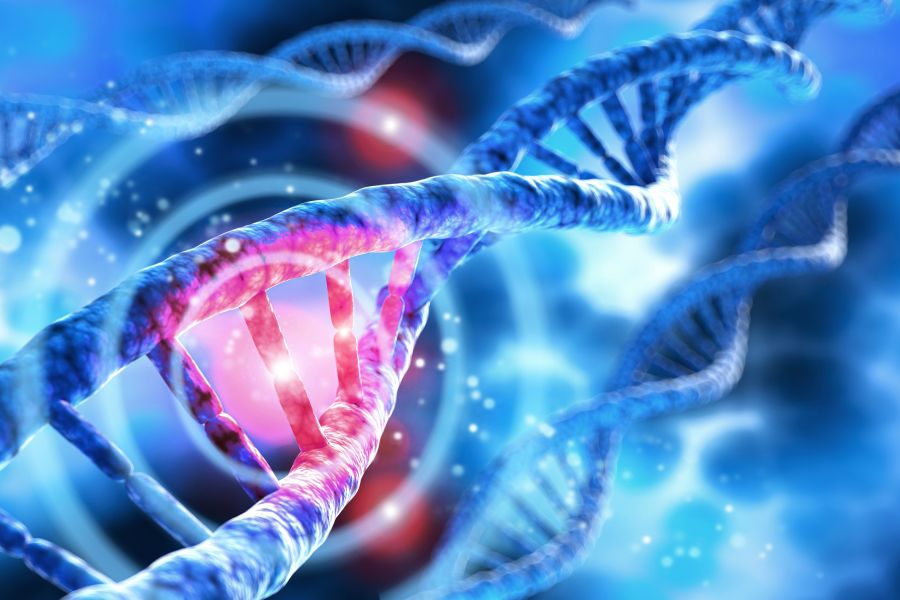
Some leukemias are driven by gene fusions — genetic changes in which two genes become incorrectly joined. These fusions can define the leukemia subtype, help predict prognosis and increasingly guide treatment selection. Certain fusions activate signaling pathways that can be specifically blocked with modern targeted drugs. For example:
- Tyrosine kinase fusions can be treated with tyrosine kinase inhibitors.
- KMT2A rearrangements now have newly approved therapies.
- Rapid identification of RNA fusions may open an opportunity for targeted disease treatment right away.
Chronic myeloid disorders — such as CMML, MDS/MPN overlap syndromes and hypereosinophilic syndromes — are another set of rare diseases that manifest with a variety of symptoms. This often leads to delays in making a definitive diagnosis. This particular RNA fusion panel has been specifically targeted to assist with a rapid and comprehensive diagnosis of these syndromes.
The most recent National Comprehensive Cancer Network recommends this approach, as do other agencies, including the World Health Organization, European LeukemiaNet and the International Consensus Classification.
The KMT2A-PTD — a common driver mutation in therapy-related leukemia among patients who previously received chemotherapy — is not typically detected by traditional tests such as karyotyping and FISH but can easily be detected using this panel. This panel also assesses the level of MECOM and recommends additional testing if elevated. MECOM rearrangements are prognostic and may require a tailored approach.
Across the country, leading academic cancer centers emphasize the importance of molecular testing in leukemia care and use advanced RNA fusion testing as part of their standard diagnostic approach for acute leukemias. Identifying the correct molecular subtype is essential for choosing the right therapy, enrolling patients in clinical trials and improving survival.
What makes Northside’s new RNA fusion panel especially meaningful for the community is that it brings a level of advanced diagnostics closer to home. Instead of sending samples to outside reference laboratories and waiting longer for results, patients can benefit from rapid, in-house testing. The panel complements existing RNA and DNA-based tests offered in-house, creating a more complete picture of each patient’s disease. It has also been custom-built to be as comprehensive as possible and include fusions mentioned in all major guidelines.
In the era of precision medicine, leukemia treatment is no longer one-size-fits-all. A patient’s molecular profile can determine whether they receive intensive chemotherapy, a targeted oral medication or a combination of both. By adding comprehensive RNA fusion testing, we are strengthening our ability to deliver personalized care that reflects the latest advances in leukemia treatment.
For patients and families, this new diagnostic capability means clearer answers, faster decisions and greater confidence that treatment plans are based on the unique biology of the disease. Our investment in advanced molecular diagnostics underscores our commitment to bringing high-quality, cutting-edge cancer care to the community we serve.
LEARN MORE ABOUT THE LEUKEMIA PROGRAM AT NORTHSIDE.