What do patients need to know about how the immune system is impacted by cancer and cancer treatment?
Both cancer and chemotherapy can impact the immune system, making it weaker. There are different parts of the immune system that help fight different infections. The type of chemotherapy a patient receives can affect a specific part of the immune system. Based on the type of chemotherapy given, a patient might be started on medications to prevent specific infections by their oncologist. The patient will be monitored closely for any signs or symptoms of infection. Common symptoms of infection include fevers, night sweats, drops in blood pressure, chills or increased confusion.
What can patients do to strengthen their immune system?
Unfortunately, there are no specific medications that can be prescribed to strengthen the immune system. Patients are encouraged to eat a healthy diet, which can be difficult during chemotherapy and/or radiation due to the side effects of these treatments. Many patients who cannot consistently eat solid foods eat a diet with liquids, including drinks that have sufficient nutritional value. Patients can always request a referral to a dietitian or nutrition specialist to help customize their diet to their specific needs.
There are so many vitamins and "superfoods" that claim to boost the immune system. Are there any that actually help patients or is most of it just clever marketing?
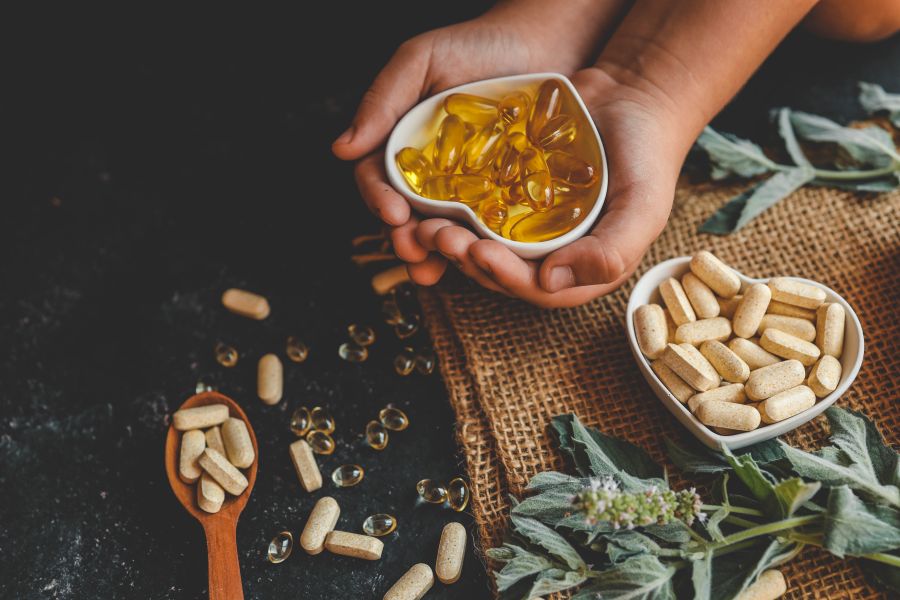
Patients need to speak to their oncologist about any vitamins or supplements they plan to take. This is because some vitamins or supplements can interact with chemotherapy and lead to toxic side effects. Common vitamins/minerals that should be safe with most chemotherapy treatments are vitamin C, vitamin D3 (cholecalciferol), zinc or a standard multivitamin. It is recommended that the bottle have a third-party verification seal (USP, NSF, ConsumerLab).
For individuals who have completed chemotherapy or radiation, how long does it typically take for the immune system to recover, and are there specific "red flags" that indicate it isn't bouncing back as it should?
This is variable depending on the type of treatment a patient receives. The recovery time after completion of treatment can be several months to more than a year. Patients are usually given information and guidance by their treating physician regarding “red flags” to watch out for.
LEARN MORE ABOUT NORTHSIDE HOSPITAL CANCER INSTITUTE.