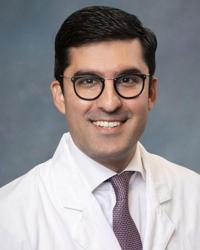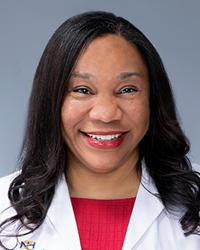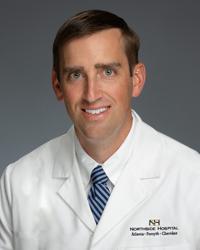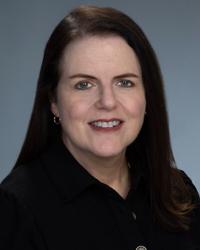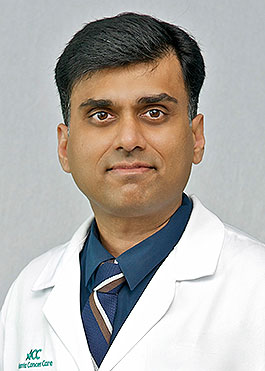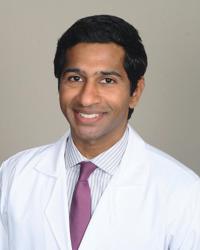

Cancer care in 2026 is more personalized, more precise and more hopeful than ever. At a recent town hall event at Northside Hospital Cherokee, presented by Cancer Support Community Atlanta, six specialists offered firsthand insight into today’s biggest advances and ongoing challenges. Their perspective makes one theme clear: Cancer care is evolving quickly — and early detection, individualized decisions and strong patient support remain central to improving outcomes.
Prostate cancer
Prostate cancer screening remains deeply individualized. Dr. Yasir Bhanji, a fellowship-trained urologic surgeon at Georgia Urology, reminded the audience that “screening should be a conversation between the patient and me in front of me.” That collaborative approach helps ensure men understand both the benefits and potential downsides of testing.
Dr. Bhanji emphasized that PSA, or prostate-specific antigen, testing remains the foundation: “PSA is a blood test and remains our gold standard for screening.” Imaging has strengthened that foundation, even as it reshapes workflows.
“Our reliance on DRE (digital rectal exams) has decreased due to better PSA testing and imaging like MRI,” Dr. Bhanji said. He noted, however, that “MRI is not a first-line screening tool. PSA is still the first test.”
Age-based rules are giving way to health-based decisions. “Screening is individualized. … Many of you here over 70 may be as healthy as a 50-year-old and benefit from screening.” He encouraged men to discuss their overall health, life expectancy and personal values with their physicians.
Lung cancer
Lung cancer screening remains underutilized, in part because of stigma. Dr. Angel Brown, a board-certified pulmonologist at Cherokee Lung & Sleep Specialists, stressed early on: “There are many individuals who never smoked yet still develop lung cancer. We emphasize that right away.”
She noted that removing shame from discussions allows more people to get screened.
Guidelines focus on annual low-dose CT scans for high-risk groups, but clinical judgment still plays a major role. Dr. Brown explained the importance of CT imaging: “Chest X-rays are not adequate for early detection — tumors usually appear once they’re large.”
She also shared that many lung cancers in nonsmokers are found incidentally, highlighting gaps in current screening eligibility.
Research into lung cancer among nonsmokers continues to grow, and Dr. Brown hopes guidelines will eventually expand. Until then, she continues evaluating patients individually, including those with environmental exposures or strong family histories.
Colorectal cancer
Colorectal cancer trends are shifting younger, according to Dr. David Meyer, a board-certified general and colorectal surgeon at Georgia Colon & Rectal Surgical Associates. He explained, “For at least two decades, we’ve seen a growing rate of colon and especially rectal cancers in younger adults.”
This long-term shift prompted updates in screening guidelines and increased public awareness.
Lowering the average-risk screening age from 50 to 45 reflects real-world data, including that “10% of colorectal cancers occur in people ages 40-49.” Dr. Meyer emphasized that younger patients often present with later-stage disease, making proactive screening even more important.
Regarding stool tests, Dr. Meyer clarified they are “not as sensitive as colonoscopy and may miss early polyps.”
He reinforced that colonoscopy remains the only screening tool that can detect and remove polyps in the same procedure, preventing cancer before it starts.
Breast cancer
Breast cancer screening is one of the clearest examples of early detection saving lives. Dr. Pamela Strickland, a board-certified surgeon with Cherokee Breast Care, summarized the guidelines simply: “Most guidelines agree that annual mammograms should begin between ages 40-45 for average-risk women.”
She added that younger women tend to have denser tissue, making annual imaging especially valuable. Upper age limits remain flexible.
“Short answer: No fixed upper limit. It’s about life expectancy, not age,” Dr. Strickland said. She also explained that many breast cancers in older adults are slow-growing and highly treatable, requiring far less intervention than patients often fear.
To that point, Dr. Strickland noted that some patients can be treated with a “hormone-blocking pill — no surgery, chemo, or radiation needed.” She encouraged older adults not to assume they’ve “aged out” of screening or treatment options.
Medical oncology
Advances in precision medicine continue to transform treatment. Dr. Harish Madala, a board-certified hematologist and medical oncologist at Atlanta Cancer Care, explained the difference that patients often confuse.
“Genetics focuses on one specific inherited gene … genomics looks at the entire genome — all mutations across the cancer cell,” he said. That broader genomic view helps guide therapy choices.
Dr. Madala highlighted the rapid impact of immunotherapy.
“Immunotherapy has transformed cancer treatment,” he said, noting that research continues to expand treatment pathways and combinations. As scientists learn more about tumor biology, more patients may be eligible for targeted approaches.
Dr. Madala also acknowledged the emotional side of survivorship. Predicting individual outcomes is difficult because “timelines often miss the mark.” Variability in tumor biology means some patients outlive all expectations, while others require more intensive surveillance.
Radiation therapy
Radiation plays multiple roles in modern cancer care. Dr. Abhinav Reddy, a board-certified radiation oncologist with Northside Radiation Oncology Consultants, outlined three main uses: “Definitive treatment, postoperative or adjuvant treatment, and palliative radiation.”
Dr. Reddy emphasized that radiation is not always the final step — it often appears early in curative treatment plans.
He described postoperative therapy as “mop-up therapy,” used after surgery when microscopic cells may remain. This approach helps reduce the risk of recurrence, especially in cancers with close margins.
Palliative radiation focuses on quality of life, according to Dr. Reddy. These treatments use low doses and straightforward schedules designed to relieve pain or stabilize disease, improving daily function with minimal side effects.
A more individualized future
Across every specialty, the message is consistent: Cancer care in 2026 is becoming more tailored than ever. Screening is more precise, treatment is more targeted, and long-term survivorship support is gaining the attention it deserves. Together, these advancements offer patients better outcomes — and better lives — grounded in a deeper understanding of each person’s biology, health and goals.
LEARN MORE ABOUT CANCER SUPPORT COMMUNITY ATLANTA.
LEARN MORE ABOUT NORTHSIDE HOSPITAL CANCER INSTITUTE.