
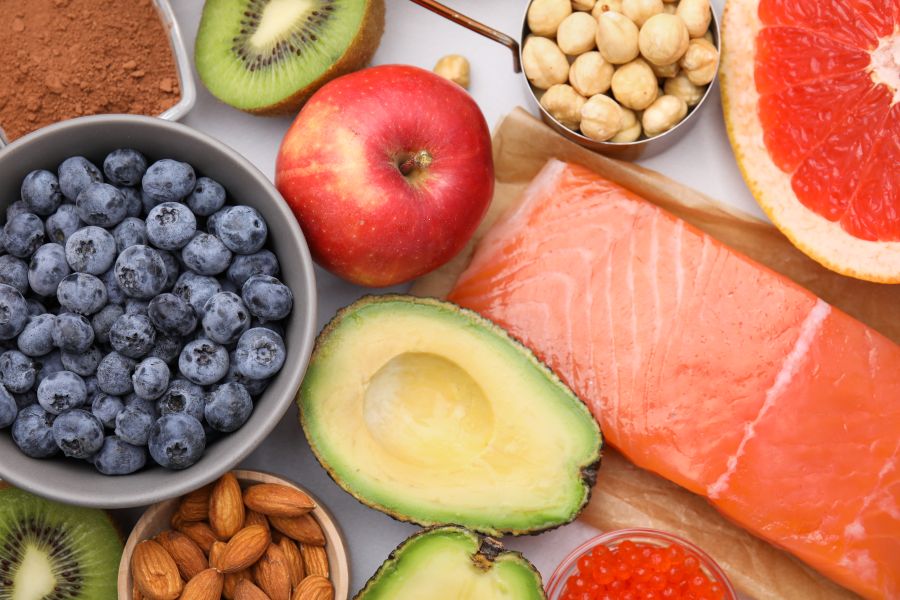
What you eat each day affects your heart, and heart disease remains the leading cause of death in the United States. The encouraging part is the research on what helps is straightforward and does not require drastic change.
Forget the superfoods
No single food fixes everything. Research consistently shows your overall pattern of eating matters more than any one ingredient. Meals built around vegetables, fruits, whole grains, beans and fish appear in the data again and again. Many people know this, but few follow it consistently, and that gap is where problems begin.
The type of fat matters
For years, the message was to eat less fat. Now, researchers focus on the type of fat. Oils like olive and canola are better options for daily cooking. Butter and fatty cuts of meat are higher in saturated fat, which can raise LDL cholesterol. Federal guidelines recommend keeping saturated fat under 10 percent of daily calories. That can be difficult given how much is found in processed and fast foods.
Sodium adds up quickly
Most sodium does not come from the saltshaker. It comes from bread, canned soup, deli meat, condiments and restaurant meals. Excessive sodium intake can lead to elevated blood pressure, placing a strain on the heart. Checking nutrition labels is one of the simplest and most effective habits you can build.
Two eating patterns stand out
Mediterranean-style eating emphasizes fish, vegetables, beans, lentils and olive oil, with less red meat and fewer processed foods. Large studies link it to lower rates of major cardiovascular events in higher-risk groups.
Another approach focuses on fruits, vegetables, low-fat dairy and reduced sodium to help lower blood pressure. Research shows it improves both blood pressure and cholesterol. Neither approach requires specialty foods or a complicated routine, and both can fit a typical budget and kitchen.
Small changes add up
Most people do not need a complete overhaul. Choosing whole grain bread, adding beans to meals and using olive oil are simple steps that can make a difference over time.
If heart disease runs in your family or you have an existing condition, talk with your doctor before making major changes. For everyone else, this is a good time to look at what is on your plate. What you eat regularly is one of the most important factors in long-term heart health.
LEARN MORE ABOUT NORTHSIDE HOSPITAL HEART INSTITUTE.