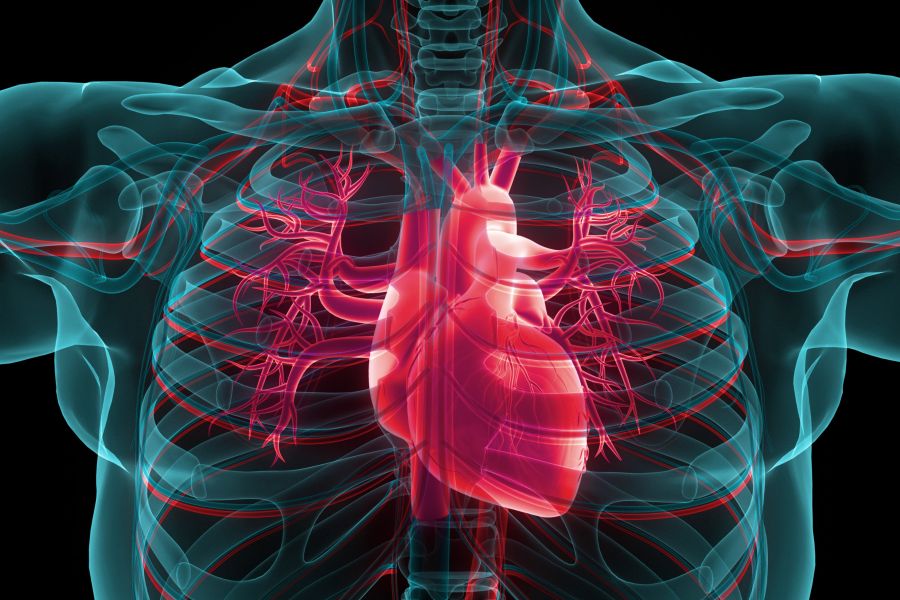
Atrial fibrillation, often called A-fib, is an irregular and typically fast heart rhythm caused by abnormal electrical signals in the upper chambers of your heart. Instead of beating normally, the atria fibrillate, which can affect how efficiently your heart pumps blood.
You are not alone if you have or are at risk for A-fib. More than 10 million Americans are affected, and that number continues to rise due to an aging population and improved diagnosis. A-fib can impact your quality of life and increase your risk of serious conditions such as heart failure and stroke.
You may notice symptoms like palpitations, fatigue, shortness of breath, dizziness or chest discomfort. Some people experience no symptoms at all, which is why screening tools like ECGs, wearable devices and implantable monitors are increasingly important in identifying the condition early.
When it comes to treatment, your care plan typically focuses on two main goals: controlling your heart rate or rhythm and reducing your risk of stroke. Medications such as beta blockers, calcium channel blockers and antiarrhythmic drugs are often used. You may also undergo procedures like cardioversion or catheter ablation, depending on your condition and response to treatment.
Lifestyle changes also play a key role in managing A-fib. You can improve outcomes through weight loss, regular exercise and moderating alcohol and caffeine intake. Managing related conditions such as sleep apnea, high blood pressure and heart disease is also essential.
If medications are not effective or not well tolerated, catheter ablation may be an option. This procedure targets the areas of your heart causing abnormal electrical signals. Newer techniques like pulsed field ablation offer improved safety and efficiency by selectively treating heart tissue while reducing damage to surrounding structures.
Stroke prevention remains a critical part of A-fib care. Blood thinners are commonly prescribed, but if you are not a candidate for long-term anticoagulation, procedures such as left atrial appendage closure may be considered. Devices like the Watchman are designed to reduce stroke risk by preventing blood clots from forming in the heart.
Early intervention is key. The sooner A-fib is identified and treated, the better your chances of maintaining normal heart rhythm and reducing complications.
LEARN MORE ABOUT NORTHSIDE HOSPITAL HEART INSTITUTE.