
Anal cancer is a disease that starts in the anus. The anus is the opening at the end of the digestive tract where stool (poop) leaves the body. Anal cancer happens when cells in this area grow out of control and form a tumor. Many anal cancers are linked to an infection called human papillomavirus (HPV). The most common form of anal cancer is squamous cell carcinoma.
Many cases of anal cancer can be found early. Anal cancers form in a part of the digestive tract that the doctor can see and reach easily. Anal cancers often cause symptoms such as:
Anal cancer is diagnosed through a combination of physical exams, visual scopes, and a definitive tissue sample. The diagnostic process typically involves the following steps:
Treatment for most cases of anal cancer is very effective. There are 3 basic types of treatment used for anal cancer:
Combination therapy including radiation therapy and chemotherapy is now considered the standard treatment for most anal cancers. Occasionally a very small or early tumor may be removed surgically (local excision), with minimal damage to the anal sphincter muscles.
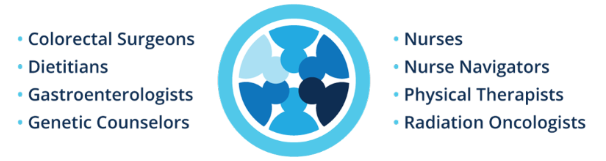
Our multidisciplinary gastrointestinal cancer care team ensures patients receive integrated, evidence-based care, utilizing the most innovative, cutting-edge and scientifically supported treatment options.
Northside Hospital’s gastrointestinal cancer team participates in multidisciplinary care conferences where they review radiology and pathology images and discuss the best treatment options, including clinical trials, and agree upon an evidence-based treatment plan. This offers patients the benefit of many expert opinions.
Ongoing support is crucial when facing cancer and afterward. Northside Hospital Cancer Institute provides a full range of Support and Survivorship programs and services to address the unique needs of colorectal cancer patients.
Clinical Support
Practical and Emotional Support